Instalments without proof of income in Egypt

Freelancers, shop owners, drivers and anyone paid irregularly are declined by the documented-income route. Here is what replaces a payslip, what gets approved, and how to present an irregular income honestly.
Some providers in Egypt accept you without proof of income, assessing eligibility in alternative ways rather than on a payslip. Limits start lower and grow as you repay.
This guide is for freelancers, shop owners, drivers, gig workers — anyone whose income is real but not documented on paper.
The problem isn't that your income is small
The traditional banking route runs on documentation: payslips, salary transfers, bank statements, an employment contract. Whoever lacks that paperwork is declined — even when their income exceeds a salaried employee's.
That's the majority position in Egypt, not the exception: only about 3% of adults hold a credit card, while financial inclusion has reached roughly 76%. Millions have income and a way to pay, and not the paperwork a bank asks for.
The market grew on precisely that: consumer finance in Egypt reached EGP 96.27 billion in 2025, up 57%, per the Financial Regulatory Authority.
What replaces the payslip
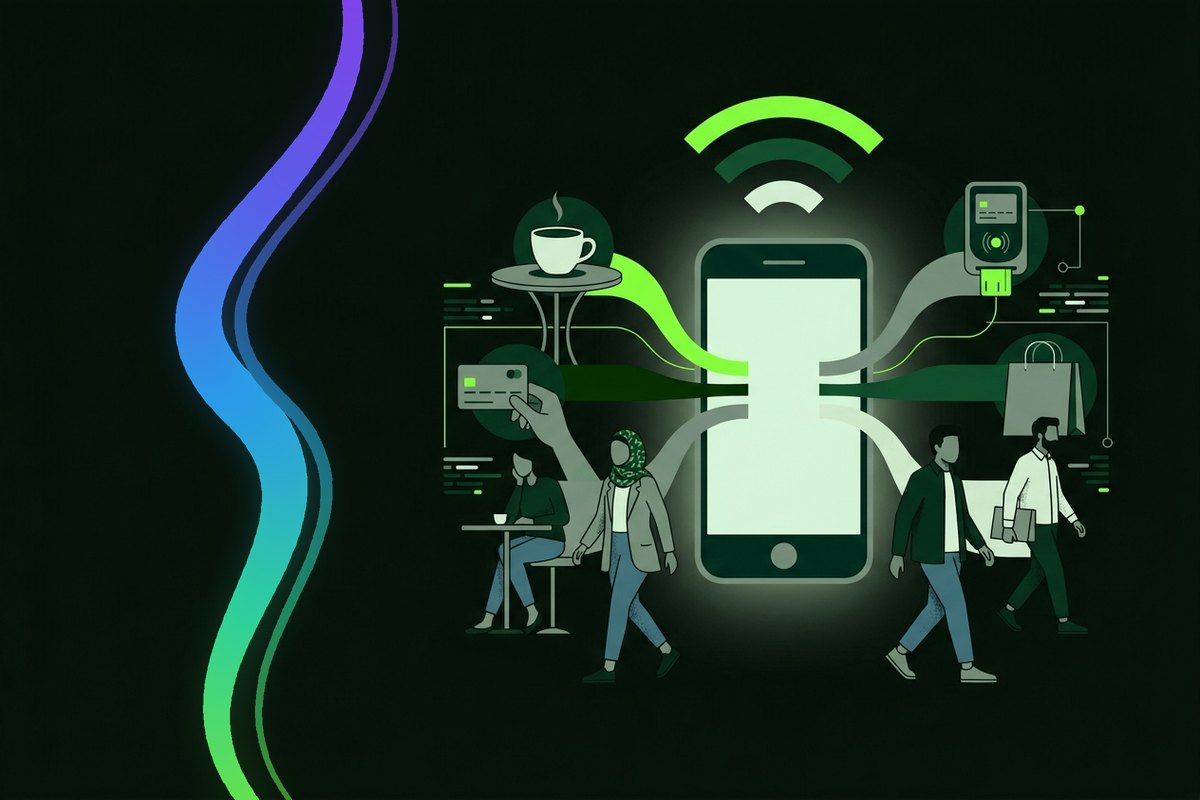
Instead of one document saying "your income is X", alternative assessment reads a set of signals:
| Signal | What it says |
|---|---|
| Identity verification | A real person of legal age — the foundation |
| I-Score record | Your prior commitments and how you handled them |
| Existing commitments | Your current total monthly payments |
| Repayment behaviour with them | The strongest signal, and it builds your limit after the first plan |
| Behavioural indicators | Varying by provider |
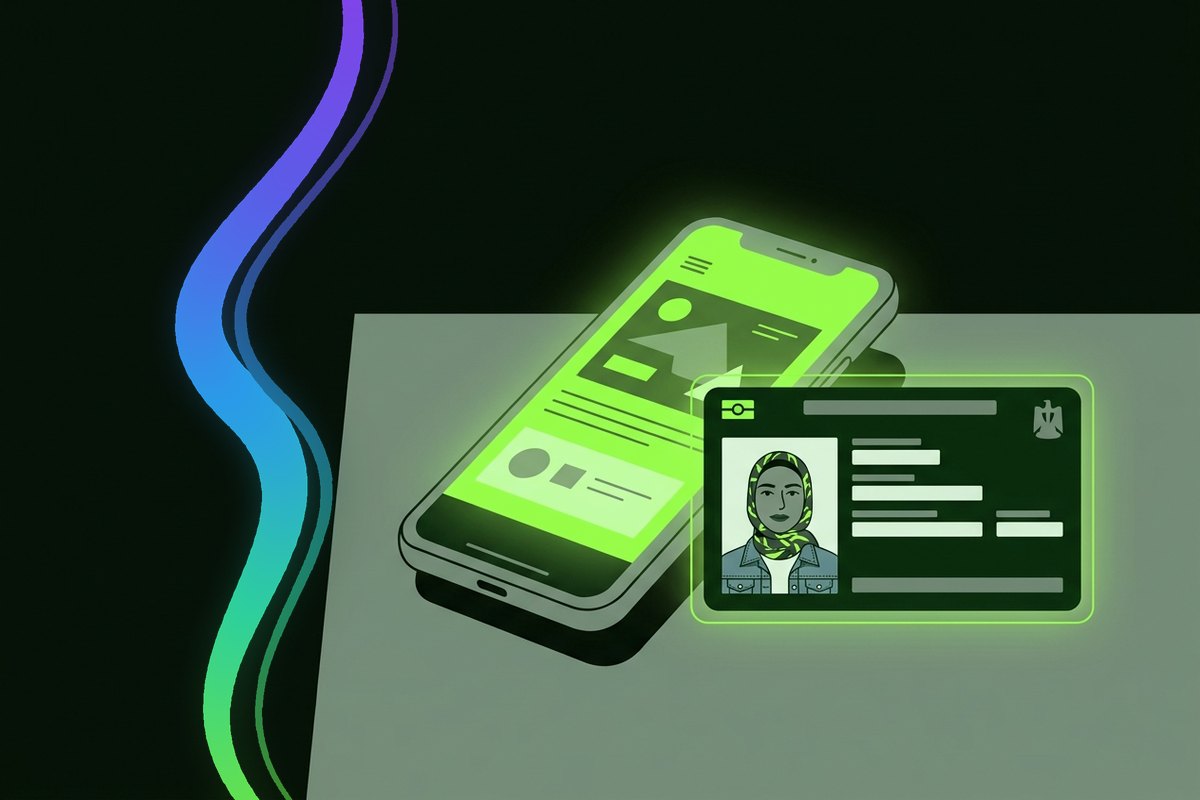
What you actually need: a valid national ID · 18 or over · a mobile number in your name · residency in Egypt
Who this suits
- Freelancers — designers, developers, writers, translators
- Shop and workshop owners — real income, no payslip
- Drivers and app-based work — variable daily income
- Private tutors — seasonal income concentrated in months
- Contract and piece-rate workers
The realistic range — be straight with yourself
Instalments without proof of income are not a substitute for all financing. They suit a particular range.
Works well for: small and mid-sized purchases. The average instalment purchase in Egypt is around EGP 6,900 — exactly this range.
Doesn't work for: car and property financing, and large amounts from consumer finance companies — these generally require proof of income regardless.
Irregular income: plan against your worst month
This is the most important section if your income moves.
People plan against their average. The right approach is to plan against your weakest month in the past year.
An example: a freelance designer earning between EGP 6,000 and 18,000 a month. The average is 12,000 — but plan against 12,000 and a 6,000 month arrives, and the payment is half of it.
The practical rule: keep total monthly payments within a quarter of your weakest month. That way the plan stands up in the bad month, not only the good one.
A worked example
A product at EGP 8,000 cash:
| Plan | Payment | Total | Cost |
|---|---|---|---|
| 3 months | 2,750 | 8,250 | EGP 250 |
| 5 months | 1,700 | 8,500 | EGP 500 |
If your weakest month is EGP 7,000, a quarter is 1,750 — so the five-month plan is the right one, even though its total is EGP 250 higher. The safety is worth the difference.
What to know
The commitment is recorded. Reporting to I-Score is mandatory once your limit is approved — proof of income or not. That's also an opportunity: the record you build opens larger financing later.
There is no legal cap on late fees in Egypt. Learn the figure and write it down before signing.
Disclosure is your right. A licensed provider must state the financing amount, fees, annual rate, administrative costs and total due before you contract.
Don't open several plans. Existing commitments are the heaviest negative signal in alternative assessment, because there's no fixed salary to offset them.
Presenting irregular income honestly
There's no need to overstate or understate. Alternative assessment mostly doesn't see an income figure at all — it sees behaviour.
- Don't apply at your ceiling. If the limit is 15,000 and you need 6,000, take 6,000. Using part of a limit is a positive signal.
- Close one commitment before starting the next where you can.
- Start small deliberately. The first plan exists to build a record, not to buy everything.
A large limit isn't the goal. The goal is repaying comfortably and opening larger financing for when you genuinely need it.
Common mistakes in freelance work
Planning against a good month. The worst error. A good month isn't the baseline.
Forgetting the dead periods. A private tutor's income stops over summer. A designer's can dip in Ramadan. Put it in the calculation.
Mixing business money with household money. If you're self-employed, take out business costs before counting what's left.
Opening a plan because the limit is there. An available limit isn't a reason to buy.
Who asks for what
| Route | Proof of income | Guarantor | Bank account |
|---|---|---|---|
| Instalment app | ❌ usually | ❌ | ❌ |
| Shop plan | ❌ usually | Rarely | ❌ |
| Bank programme | ✅ | ❌ | ✅ |
| Consumer finance company | ✅ usually | Sometimes | Sometimes |
The takeaway: without formal proof of income, the first two routes are the ones open to you. The full detail is in instalment requirements in Egypt.
Building a record that opens larger doors
Someone with no credit history doesn't have a "bad history" — they have a blank page. And that page is written by one thing: paying on time.
A practical plan:
1. Start with a small amount you could close whatever happens.
2. Close it in full with no lateness.
3. Wait and watch your limit get reviewed upward.
4. Repeat — and don't open several plans at once.
After a year of consistency, your position with I-Score is entirely different — and not only with instalment apps, but with banks and mortgage lenders too.
This is the part most people don't see: small, regular instalment use doesn't just get you the product — it builds you a record.
Where Lucid fits
Lucid asks for no proof of income, no credit card, no bank account and no salary transfer — an ID and a selfie, with a decision in under 10 minutes during working hours.
Plainly: coverage is Cairo, Giza and Alexandria only for now, plans run two to five months, and there is a late fee, disclosed before you agree.
This article is general information, not financial advice.
Frequently asked questions
Can I get instalments without proof of income?
Yes. Instalment apps assess eligibility on alternative signals — identity verification, I-Score record, existing commitments and repayment behaviour — rather than on a payslip.
What replaces a payslip?
A set of signals rather than one document: identity verification, your credit record if any, your current total commitments, and your repayment behaviour after the first plan — the strongest of these.
I freelance and my income varies — can I apply?
Yes. But plan against your weakest month, not your average, and keep total payments within a quarter of it.
Will my limit be lower?
Usually at first, because there's no repayment history to read. It grows with each payment made on time.
Can this finance a car or a flat?
Generally no. Car and property financing runs through a route that requires proof of income. Instalments without proof suit small and mid-sized purchases.
I own a shop — can I apply?
Yes. Alternative assessment accepts shop and workshop owners whose income is real but not documented by a payslip.
Will I need a guarantor?
Instalment apps generally don't ask for one. Some finance companies may for larger amounts, which is a different route.
Is this recorded on my I-Score?
Yes, mandatorily, once your limit is approved. Repayment builds your credit history; delays are recorded and affect future financing.
How do I choose a term on irregular income?
Take a quarter of your weakest month in the past year and keep the payment within it. If that means a longer term and a slightly higher total, the safety is worth it.
Does this work without a bank account too?
Yes. See instalments without a bank account for the repayment routes available.
My application was declined — why?
Usually something technical: glare on the ID photo, an unclear selfie, a number not in your name, an uncovered city, or too many existing commitments. Most are fixable.
How is this different from a personal loan?
A loan gives you money and requires proof of income, often a guarantor. Instalments are tied to a product and accept alternative assessment. See instalments versus a personal loan.
What's the first thing to ask before signing?
The total in pounds, and the late fee as a number. Both must be in writing.