
What do you actually need to pay in instalments in Egypt?
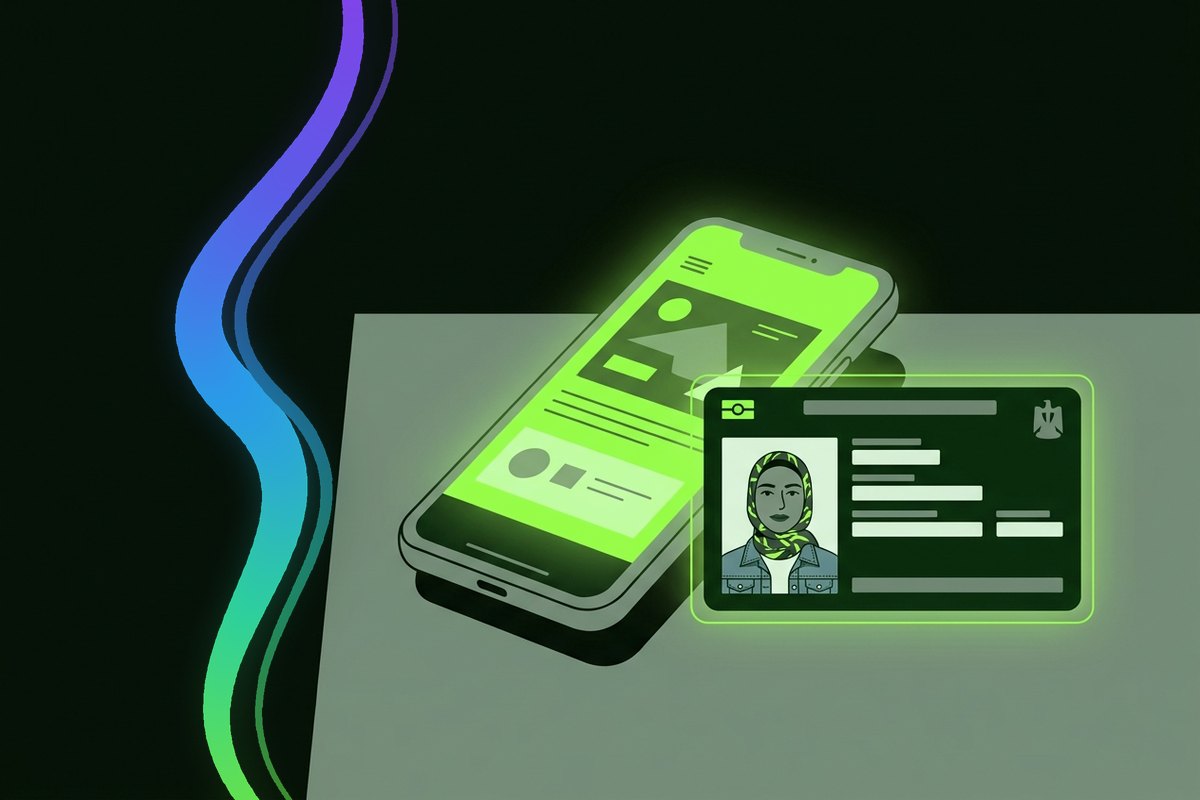
Most people assume instalments need a salary certificate, a bank statement and a guarantor. For most modern routes, none of that is true. The real requirements, route by route, and the rights the law gives you.
The most asked question before financing anything: "what do I need?" — and the most common answer is wrong.
The old mental picture (salary certificate + bank statement + guarantor + cheques) still exists on some routes, but it is no longer the rule.
This guide sets out the real requirements route by route, why applications get rejected, and what your rights are.
Requirements by route
Instalment apps
Usually required:
- A valid national ID
- A selfie for identity verification
- A mobile number in your name
- Legal age (18 or 21, depending on the provider)
Usually not required: a credit card, a bank account, a salary certificate, a guarantor, cheques.
Shop and showroom plans
Required: usually an ID, sometimes a down payment, sometimes proof of address.
It varies between shops, and even between branches.
Bank programmes
Required: a credit card, which itself needs a bank account, a credit history and sometimes a minimum income.
Consumer finance companies
Required: an ID + usually proof of income + sometimes a guarantor or cheques, especially for large amounts and long terms.
The quick comparison
| App | Shop | Bank | Consumer finance | |
|---|---|---|---|---|
| National ID | ✅ | ✅ | ✅ | ✅ |
| Selfie | ✅ | Sometimes | — | Sometimes |
| Credit card | ❌ | ❌ | ✅ | ❌ |
| Bank account | ❌ | ❌ | ✅ | Sometimes |
| Proof of income | ❌ usually | ❌ usually | ✅ | ✅ usually |
| Guarantor | ❌ | Rarely | ❌ | Sometimes |
The takeaway: if you have a valid national ID and a phone, a route is open to you. See instalments without proof of income and instalments without a bank account.
The ID: the most important document
It must be valid. An expired ID is the single most direct cause of rejection.
The details must be legible in the photo — no glare, no cropped edges.
And the name must match the mobile number and account you're applying with.
Why applications get rejected
1. An expired ID or an unclear photo.
2. Mismatched details — a different name, a number not registered to you.
3. A credit history with defaults — I-Score records late payments.
4. Too many existing obligations relative to the assessment.
5. Geography outside the coverage area.
6. Age below the required threshold.
The right move after a rejection: don't apply to five providers the same day. Find out the reason, fix it, then apply again.
I-Score: the thing that determines everything
Reporting to I-Score is mandatory for licensed providers once your limit is approved.
Which means: every payment on time builds your record, and every late one is recorded. That record determines your terms next time — with banks and mortgage lenders too.
Someone with no credit history at all doesn't have a "bad history" — they have a blank page. A first instalment plan paid on schedule is the first line on it.
What the law obliges the provider to tell you
Before you sign, licensed providers must disclose:
- The financing amount
- The fees
- The annual rate
- Administrative costs
- The total amount due
And since September 2025: they cannot charge you on the unused portion of your limit.
⚠️ But note: there is no binding legal cap on late fees. The figure varies between providers, so ask for it in pounds before signing — not as a percentage.
Five questions before you sign
1. What is the total due, exactly?
2. Are there administrative fees or insurance?
3. What is the late fee in pounds?
4. Is there a fee for settling early?
5. What exactly are the payment dates?
Five written answers before signing matter more than any price comparison.
The application steps in apps
1. Download and register with a mobile number in your name; a confirmation code arrives.
2. Photograph the ID — front and back, in good light, with all edges inside the frame.
3. The selfie — compared against the ID photo for identity verification.
4. Basic details — address, and sometimes the nature of your work.
5. Assessment and decision — within minutes at most providers.
6. Your limit is set — the available amount and the plans appear.
Tips that reduce rejection: photograph the ID on a dark, non-reflective surface, don't use flash, make sure the numbers are legible, and use a number registered in your name.
The limit: what it is and how it grows
A limit isn't your money — it's an amount available for you to use and repay. That's the distinction people most often forget.
How is it set? By each provider's assessment: the details you submitted, your I-Score history if any, and your existing obligations.
How does it grow? Through consistency. Every plan you close on schedule builds measurable trust — and providers review limits periodically.
When does it shrink? With repeated lateness or accumulating obligations.
A practical rule: use part of your limit, not all of it. A limit that stays fully used leaves zero room for an emergency.
The conditions nobody asks about
1. The early settlement policy. If money arrives unexpectedly and you want to close the plan, is there a fee?
2. How you pay. Where and how the payment is made — a wallet, a branch, an automatic debit?
3. What happens if you return the product. How is the plan cancelled, and how is money returned?
4. Changing the payment date. Some providers allow one change, which matters if your salary lands on a different date.
These questions usually get asked after the problem occurs. Ask them before.
Keep your paperwork
After contracting, these are your reference if any dispute arises:
1. The contract or plan summary showing the total.
2. The payment schedule with its dates.
3. The product invoice in your name.
4. A receipt for every payment made.
Photograph them and keep copies somewhere other than your phone. Paperwork is what speaks months later — not what was said in the shop.
Why the requirements changed at all
Per the Financial Regulatory Authority, Egypt's consumer finance market reached EGP 96.27 billion in 2025, up 57%, with beneficiaries passing 7.5 million.
That growth wouldn't have happened if the requirements had stayed as they were. The expansion came from lowering what's asked: an ID and a selfie instead of a full file of paperwork.
Which means: if your knowledge of the requirements is two years old, it's probably wrong now.
Where Lucid fits
Lucid asks for a national ID and a selfie — no credit card and no salary certificate — with a decision in under 10 minutes, a limit up to around EGP 50,000, plans of two to five months, across more than 500 shops.
Plainly: coverage today is Cairo, Giza and Alexandria only, terms are short, and there is a late fee.
This guide is general information, not financial or legal advice. Requirements vary between providers and change — confirm with the provider before contracting.
Frequently asked questions
What are the requirements for instalments in Egypt?
They vary by route. Instalment apps usually ask for a valid national ID, a selfie and a mobile number in your name; banks ask for a credit card; consumer finance companies usually ask for proof of income.
Do I need a guarantor?
Not on most modern routes. Guarantors appear more with large amounts and long terms at some finance companies.
Do I need a salary certificate?
Usually not with instalment apps. It's more common on the bank route and with consumer finance companies.
Can I finance without a bank account?
Yes, on many routes. See instalments without a bank account.
Can I do it without a credit card?
Yes, and that's the norm with apps. See instalments without a credit card.
What's the age requirement?
It varies by provider — usually 18 or 21. Confirm with the provider itself.
Why was my application rejected?
The most common reasons: an expired ID, an unclear photo, mismatched details, past default on I-Score, or an area outside coverage.
What should I do after a rejection?
Find out the reason and fix it before applying again. And don't apply to several providers on the same day.
Is instalment use reported to I-Score?
Yes. Reporting is mandatory for licensed providers once your limit is approved.
Will I be rejected if I have no credit history?
Not necessarily. Absent history isn't bad history, and some providers assess in other ways.
What must the provider tell me before I sign?
The financing amount, fees, annual rate, administrative costs and total due.
Is there a cap on late fees?
There is no binding legal cap. Ask for the figure in pounds before signing and write it down.
Can they charge me on an amount I haven't used?
No. Since September 2025, charging on the unused portion of a limit isn't permitted.
Can a student get instalments?
Yes, on some routes, with a valid ID and if they meet the conditions. See instalments for students.
Can a freelancer get instalments?
Yes. Some routes don't require proof of fixed income. See instalments without proof of income.
Do requirements differ by governorate?
Coverage does. Many apps start in Cairo, Giza and Alexandria, while showrooms reach further.